
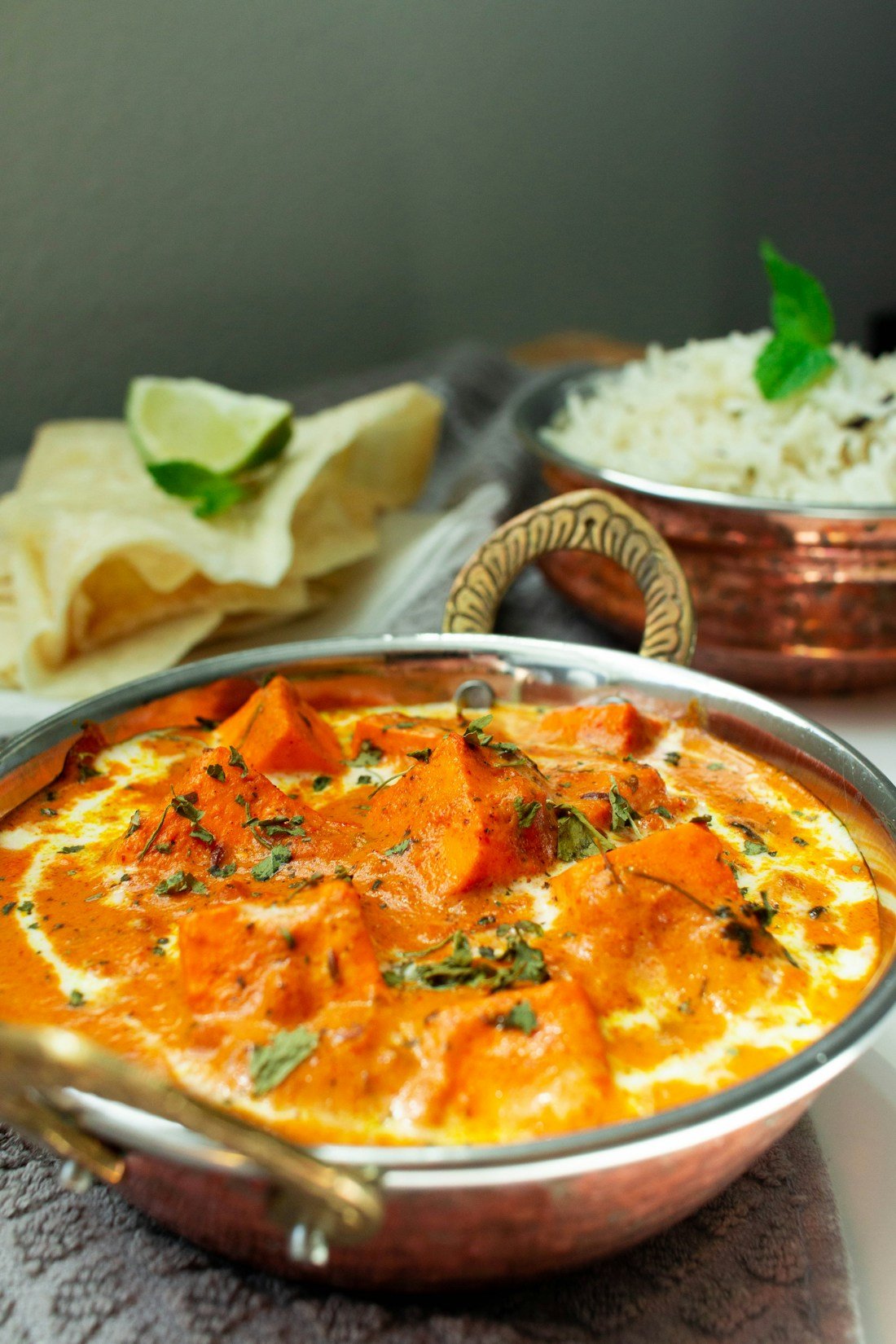
No. I · Indian
Indian cuisine.
Indian cooking has roots that stretch back thousands of years. Its foundations — rice, wheat, lentils, dairy, vegetables and an unmatched layering of spices — were shaped by trade routes that ran through the subcontinent for centuries. India sat at the center of the global spice trade, and that history is built into every curry, biryani and slow-simmered daal on a modern menu.
The techniques are as varied as the regions. A clay tandoor sears tikkas and blisters naan in minutes. Curries are slow-simmered until the spices fold into the gravy. Biryanis are layered with rice, meat and aromatics, then sealed and cooked dum-style. Every region developed its own grammar — wheat and dairy in the north, rice and coconut in the south, fish and mustard in the east — but the shared instinct is layered flavor, built slowly.
Indian food also carries one of the world’s largest vegetarian traditions, shaped by centuries of religious practice. Paneer, lentils, chickpeas and seasonal vegetables get the same care and complexity as meat dishes, which is why an Indian menu often reads as a parallel universe of meat and meatless versions of the same idea.
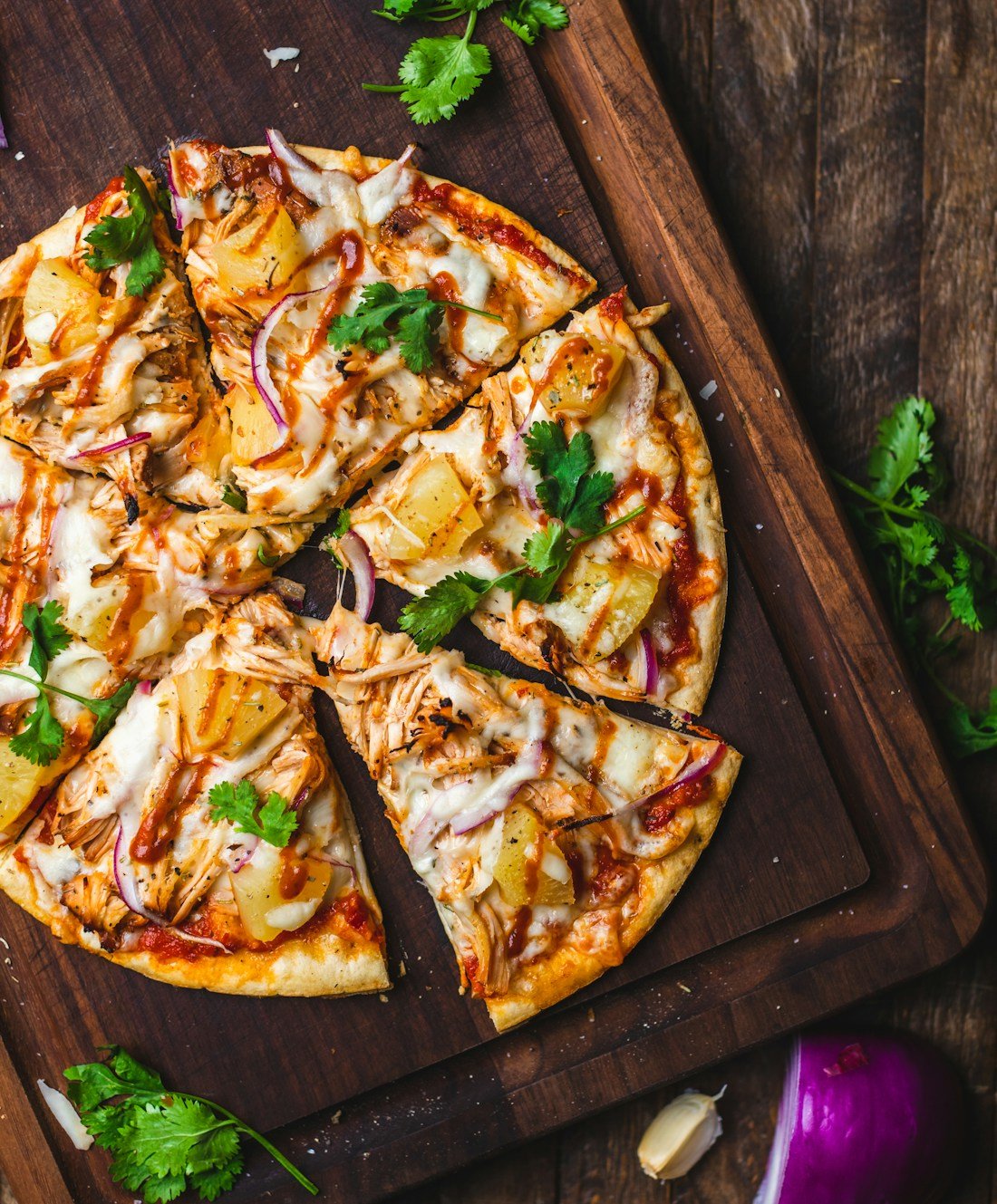
No. II · Pizza
The Neapolitan tradition.
Modern pizza traces back to Naples, in southern Italy, where the dish took its current form in the late 18th and early 19th centuries. The famous Margherita — tomato, mozzarella and basil — is said to have been created in 1889 for Queen Margherita of Savoy, the red, white and green a nod to the Italian flag. From there, pizza traveled the world.
In 2017, UNESCO recognized the art of the Neapolitan pizzaiolo as Intangible Cultural Heritage — the craft of hand-stretching dough, sliding it onto a stone deck, and pulling it back out within minutes, blistered and charred. A craft most people take for granted is, in fact, formally recognized cultural heritage.
The principles are simple. Fresh dough that’s had time to ferment. High heat. A stone or brick floor to crisp the base. A few clean toppings layered with care. Done well, pizza is one of the most direct expressions of bread, fire and seasoning anywhere in the world.
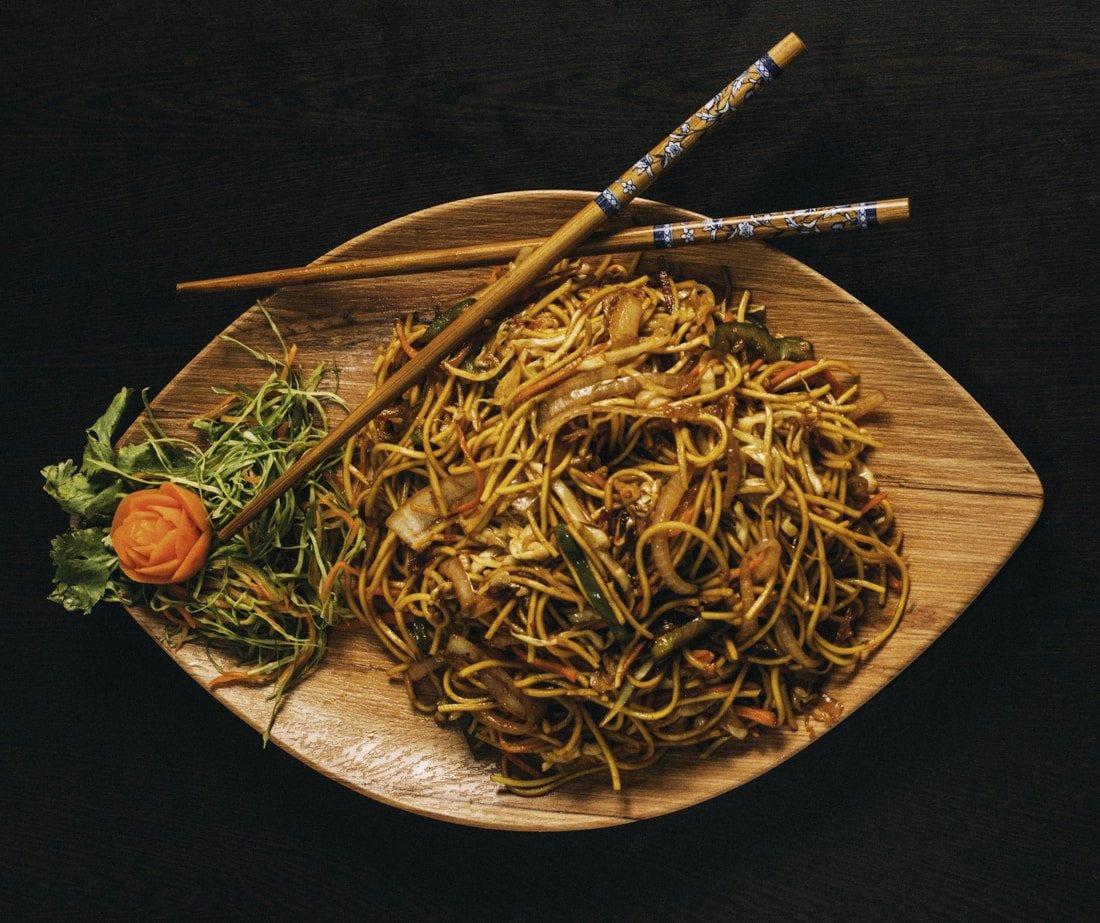
No. III · Indo-Chinese
Indo-Chinese cooking.
Indo-Chinese cooking grew out of Kolkata’s Chinatown, in the neighborhoods of Tangra and Tiretti Bazaar. It was created by Hakka Chinese immigrants who arrived from the late 18th century onward — adapting their cooking to local ingredients and palates that wanted more spice, more garlic, more punch.
What emerged was a category of its own — neither traditional Chinese nor Indian, but a third path. Wok-fired plates built on soy, vinegar, chili and aromatics, finished with the green chilies and coriander that Indian cooking leans on. Dishes like Manchurian, chilli paneer, gobi Manchurian and Hakka noodles came out of this kitchen and went on to become staples across India.
By the second half of the 20th century, Indo-Chinese was its own well-defined cuisine, served everywhere from street stalls to fine-dining restaurants. It’s bold, garlicky, slightly oily, often spicy, and built for sharing — which is why it sits comfortably next to the rest of an Indian menu.
Where Indian meets the stone deck.
Indian cuisine and pizza grew up on different continents, but they share more than people realize. Both are about a dough or bread, baked or seared in a high-heat oven. Both depend on layered, confident sauces. Both work best when shared — pieces torn from the table, passed around, eaten by hand.
Putting them together wasn’t a stretch. The tandoor and the stone deck are cousins — clay and stone, both fired hot enough to char a surface in minutes. A naan and a pizza crust share more vocabulary than you’d think. And tikka masala on a pizza, paneer in place of mozzarella, Manchurian sauce as a base — none of it fights, all of it works.
Built around oven heat
Tandoor and stone deck are built on the same idea — high, dry heat that chars the surface and locks the flavor in.
Dough is the canvas
Naan, kulcha, roti, pizza crust — all hand-stretched, all baked fast, all designed to carry the flavor that sits on top.
Bold sauce, fresh finish
Tikka masala, spinach curry, marinara, pesto — every great dish in either tradition starts with a sauce that has its own story.
Meant to be shared
Indian and pizza menus are both built for the table — multiple plates, passed around, picked at, talked over.
Three traditions, on the plate.
Here’s how each one shows up in the kitchen — sometimes on its own, sometimes meeting on the same crust.
From the Indian Kitchen
Butter Chicken
The most familiar entry point to Indian food — tender chicken in a rich, velvety tomato-butter gravy finished with cream.
From the Tandoor
Tandoori Chicken Tikka
Boneless chicken marinated overnight in tandoori spices and roasted in a clay oven. The dish that defines the cuisine.
Where Indian Meets the Deck
Paneer Tikka Masala Pizza
Hand-stretched stone-deck crust with a tikka masala sauce base, mozzarella, paneer, ginger and a cilantro finish.
Indo-Chinese on a Crust
Manchurian Pizza
Schezwan sauce base, mozzarella, paneer, garlic, green onions, ginger and bell peppers — the wok and the stone deck on the same plate.
From the Wok
Chilli Paneer
Paneer wok-tossed in an Indo-Chinese sauce with oriental spices and mixed vegetables. Bold, garlicky, made fast.
From the Wok
Veg Hakka Noodles
Noodles wok-tossed with seasonal crisp vegetables, garlic, soy sauce and aromatic spices — a staple of the Indo-Chinese table.
The cuisine, explained.
What is Indian cuisine?
Indian cuisine is one of the world’s oldest living food traditions, built on rice, wheat, lentils, dairy, vegetables and a layered system of spices. It varies enormously by region — wheat and dairy in the north, rice and coconut in the south — but the shared instinct is slowly-built, deeply-spiced flavor. It also carries one of the largest vegetarian traditions in the world.
Where does pizza come from?
Modern pizza traces back to Naples, in southern Italy, where the dish took its current form in the late 18th and early 19th centuries. The Margherita is said to have been created in 1889 for Queen Margherita of Savoy. In 2017, UNESCO recognized the art of the Neapolitan pizzaiolo as Intangible Cultural Heritage.
What is Indo-Chinese cuisine?
Indo-Chinese is the style of cooking that grew out of Kolkata’s Chinatown, created by Hakka Chinese immigrants who adapted their cooking to Indian palates. It’s wok-fired, garlic-forward and a little spicier than traditional Chinese — Manchurian, Hakka noodles, chilli paneer and gobi Manchurian all come from this kitchen and have become staples across India.
Why do Indian flavors work on pizza?
Because the two traditions share more than they differ. Both are built on hand-stretched dough baked in a high-heat oven. Both depend on layered, confident sauces. And both are designed for the table — passed around, torn apart, eaten by hand. Putting tikka masala on a pizza crust isn’t a stretch; the formats already speak the same language.
What's a good place to start for someone new?
Start with butter chicken and garlic naan if you want a gentle introduction to the Indian side, or try the Paneer Tikka Masala Pizza if you’d rather meet the fusion idea head-on. For Indo-Chinese, chilli paneer or Hakka noodles are an easy first plate.
— The House of Golden —
One menu, built on fire.
From the tandoor to the stone deck to the wok — three traditions, all the same instinct: dough, heat, spice, and a table to share it across.
✦
Store Hours
Store & Delivery
Tue to Thu11:00 AM to 03:00 PM
05:00 PM to 09:00 PM
05:00 PM to 09:00 PM
Fri to Sat11:00 AM to 03:00 PM
05:00 PM to 10:00 PM
05:00 PM to 10:00 PM
Sunday11:00 AM to 03:00 PM
05:00 PM to 09:00 PM
05:00 PM to 09:00 PM
MondayClosed
Payment Methods
© 2026 Golden Indian Cuisine & Pizza. All rights reserved.